Table of Contents
- Jamie Dimon, JP Morgan CEO, to be deposed in Epstein suits | CNN Business
- Jamie Dimon's Letter to Shareholders, Annual Report 2019 | JPMorgan ...
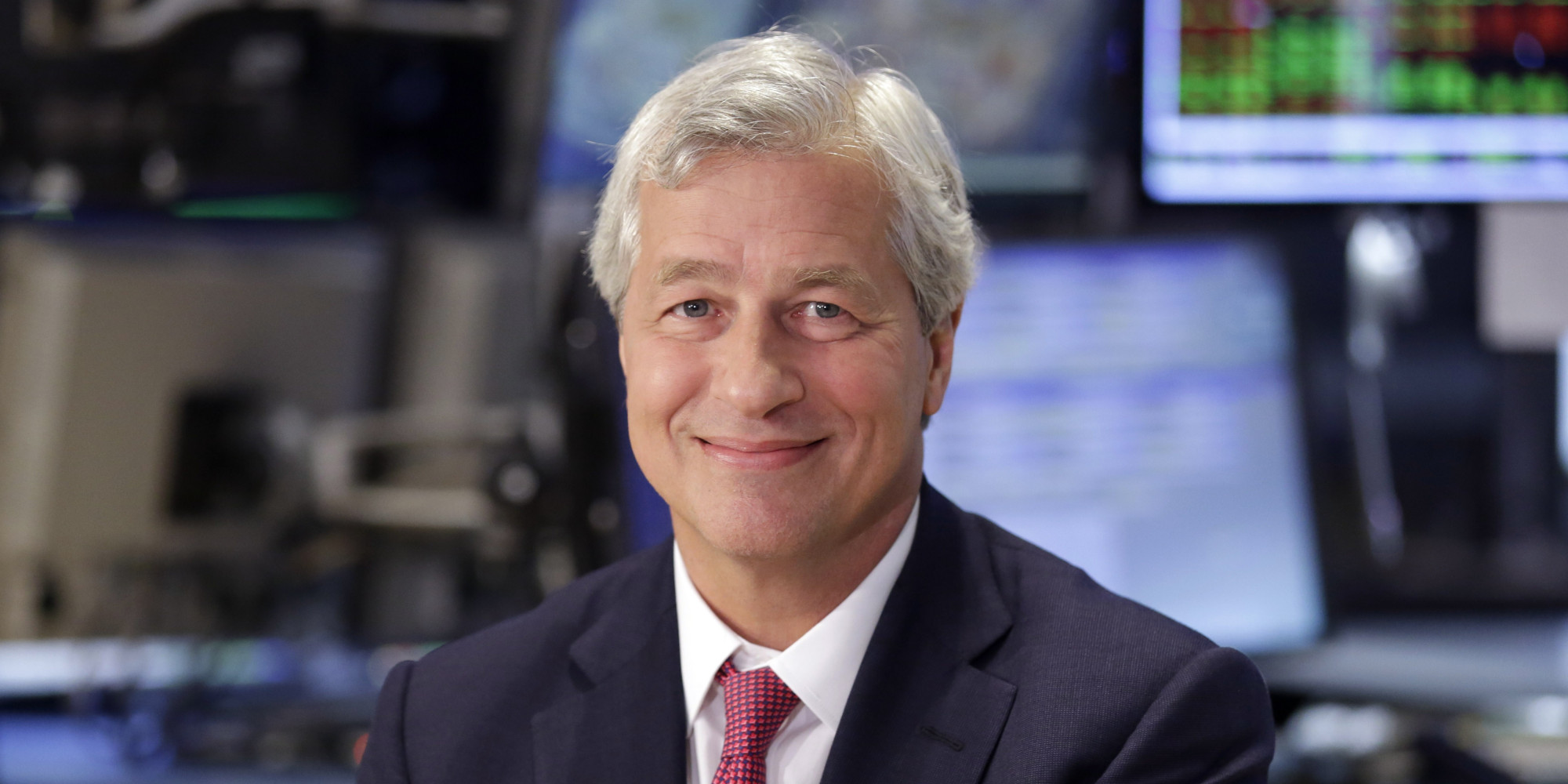
- JPMorgan CEO Jamie Dimon Is Now A Billionaire | HuffPost
- JPMorgan Chase takes the lead as the largest US bank by deposits ...
- Jamie Dimon
- Jamie Dimon warns of possible 'mild to hard' recession
- JPMorgan Chase boss Jamie Dimon pockets bumper pay raise - from .5M ...
- Jamie Dimon Reprises 2008 Role as Rescuer of a Failing Bank - The New ...
- News updates from January 25: US economy grows 3.3% in fourth quarter ...
- JPMorgan Chase CEO Jamie Dimon said the US economy has "not at all ...

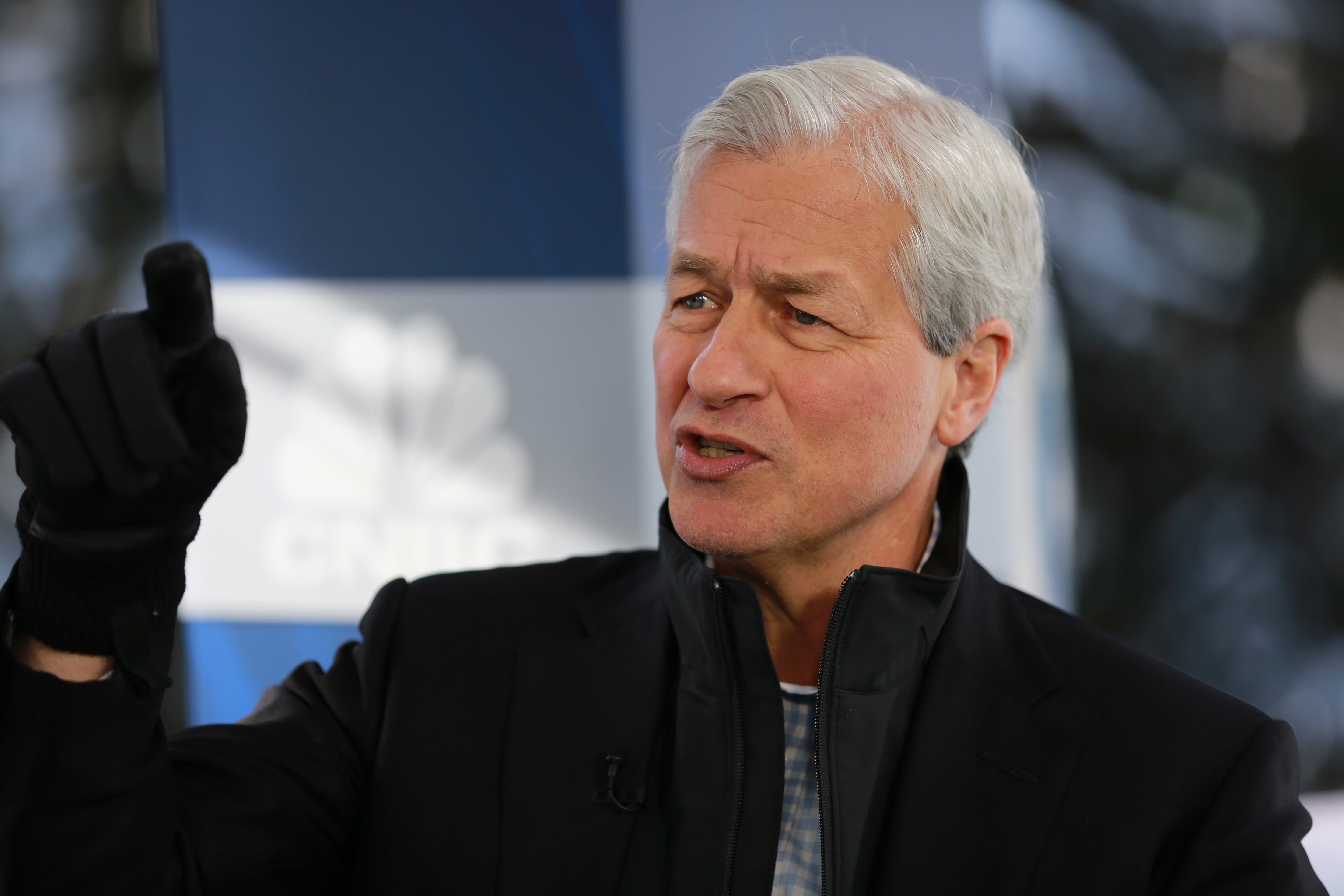
The trade tensions, which have been escalating over the past year, have already begun to take a toll on the global economy. The imposition of tariffs on imported goods has led to increased costs for consumers and businesses, resulting in reduced demand and lower economic growth. Dimon's warning comes at a time when the global economy is already showing signs of slowing down, with the International Monetary Fund (IMF) predicting a decline in global growth to 3.3% in 2023, down from 3.8% in 2022.

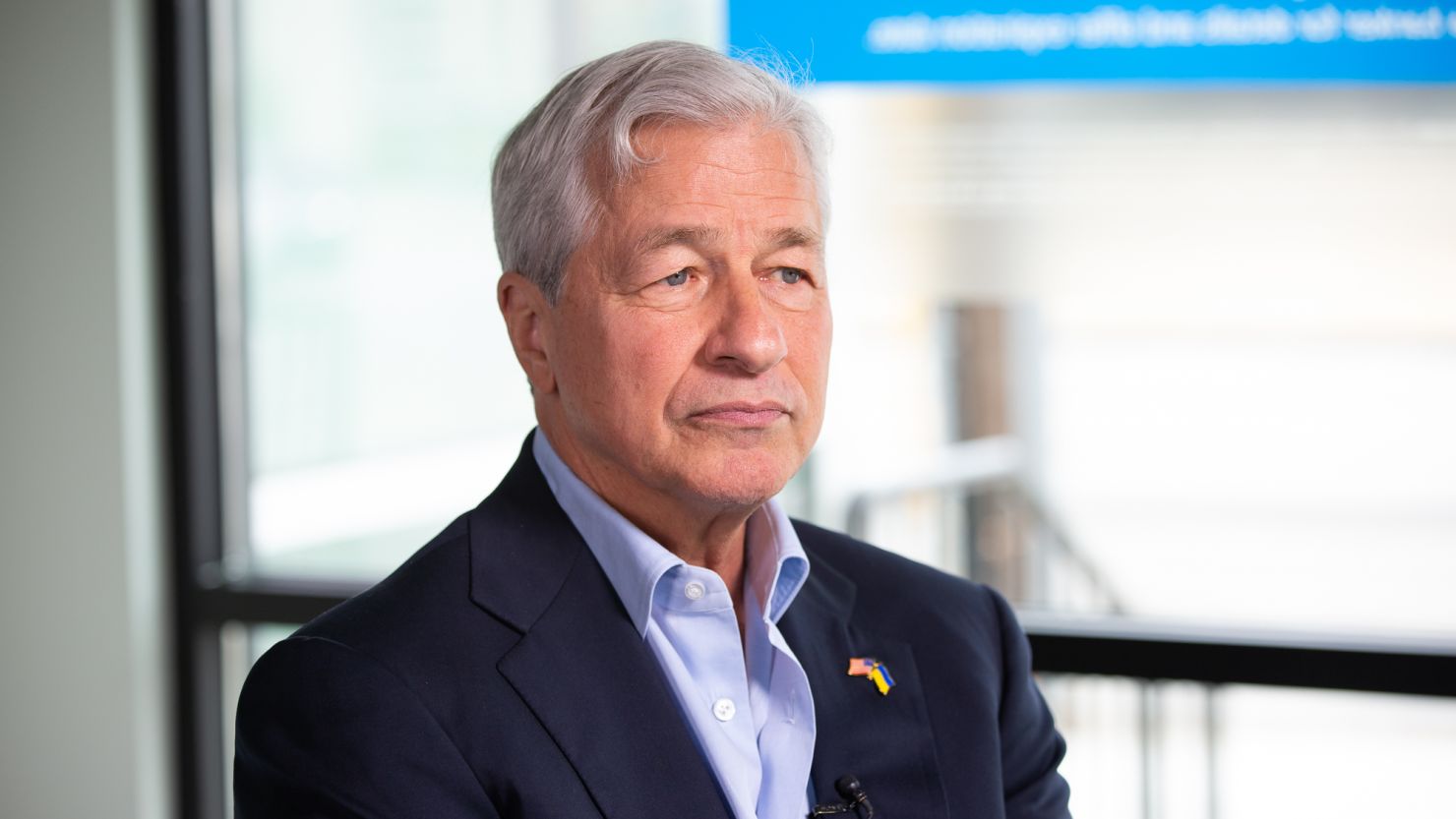
The Risks of a Prolonged Trade War


Dimon's warning is not an isolated one. Other experts and business leaders have also expressed concerns over the potential economic fallout from the trade war. The CEO of the US Chamber of Commerce, Thomas Donohue, has warned that the trade war could lead to a recession, while the International Monetary Fund (IMF) has cautioned that the trade tensions could reduce global economic growth by up to 0.8% by 2023.


What's Next for the Global Economy?
As the trade tensions continue to escalate, it is essential for businesses and investors to be prepared for the potential economic downturn. Some possible steps that can be taken include: Diversifying Investments: Investors can diversify their investments to reduce their exposure to the trade war. Building Cash Reserves: Businesses can build cash reserves to prepare for potential disruptions to their supply chains. Monitoring Trade Developments: Staying informed about the latest trade developments can help businesses and investors make informed decisions.In conclusion, Jamie Dimon's warning of an impending economic downturn is a timely reminder of the potential risks associated with the ongoing trade tensions. As the global economy continues to navigate these uncertain times, it is essential for businesses and investors to be prepared for the potential economic pain that may lie ahead.